This listing is for one packet of Eastern Red Columbine (Aquilegia canadensis) containing 200 seeds. Whittlesey Creek Wildflower Farm (WildFlowersbyJan.etsy.com) is a licensed nursery grower and seed labeler in Ashland, WI, Bayfield County.
The Eastern Red Columbine (Aquilegia canadensis) is a perennial plant hardy in zones 3-8 and native to the eastern half of the United States, including Wisconsin.
This unique flower features nodding, tubular blooms that are about 1½ inches long, adorned with striking red and yellow colors. Its five petals have upward-spurred, pouch-like extensions that contain nectar, adding to the flower's uniqueness. The blooms are characterized by numerous long stamens with yellow anthers, which appear from May through June, typically in their second year. The flowers have no noticeable scent and provide both pollen and nectar. They make an excellent choice for cut flowers.
The Eastern Red Columbine attracts a variety of pollinators, including bees, hummingbirds, butterflies, and hawk moths, and serves as a host plant for the larvae of the columbine duskywing (Erynnis lucilius) and the pink-tinted beauty (Eosphoropteryx thyatyroides). This plant prefers part shade to shade but will thrive in full sun with plenty of water; it reaches a mature height of 2-3 feet and spreads to 18 inches. It prefers sandy or loamy, well-drained soil that is not overly rich, and it is drought-tolerant.
The stem leaves of the Eastern Red Columbine are alternate and compound, consisting of three irregularly rounded lobes, while the basal leaves are larger. Slender, reddish, and slightly hairy stems rise vertically from the basal foliage. After blooming, the flowers give way to five seed capsules with long beaks that turn brown when they mature. Each capsule splits open to release numerous shiny black seeds that finches and buntings favor.
The root system is fibrous with a tap root, and good companion plants include wild geranium, foam flower, wild ginger, and astilbe. The Eastern Red Columbine is moderately resistant to deer and rabbits.
Historically, Native Americans used crushed seeds from the plant as a love charm by rubbing them on men's hands.
Orders will be shipped on Monday through Friday before 1:00 p.m.
A fact sheet and photo of each flower seed purchased will be included, ensuring you have all the information you need to grow and care for them.

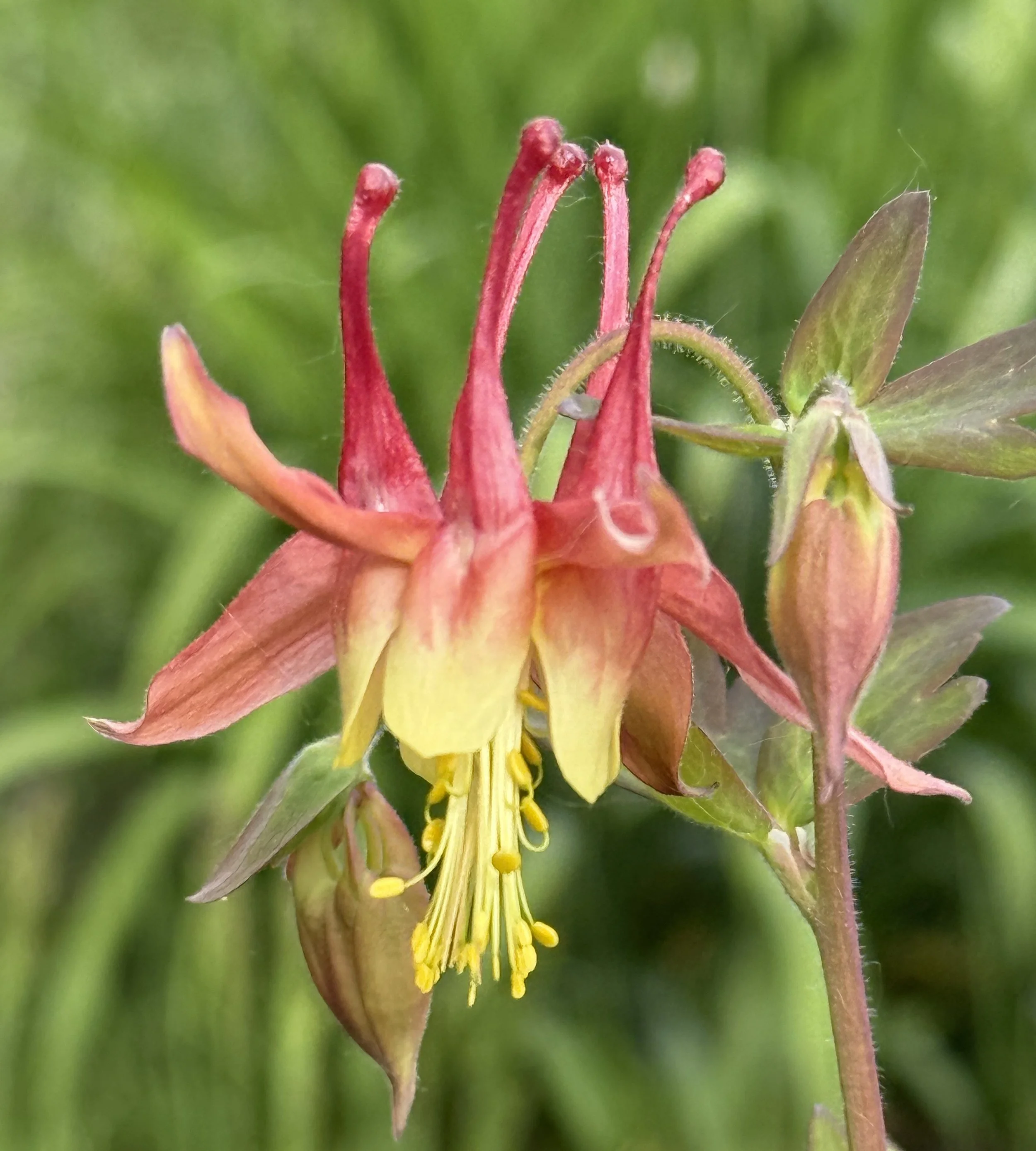 Image 1 of 7
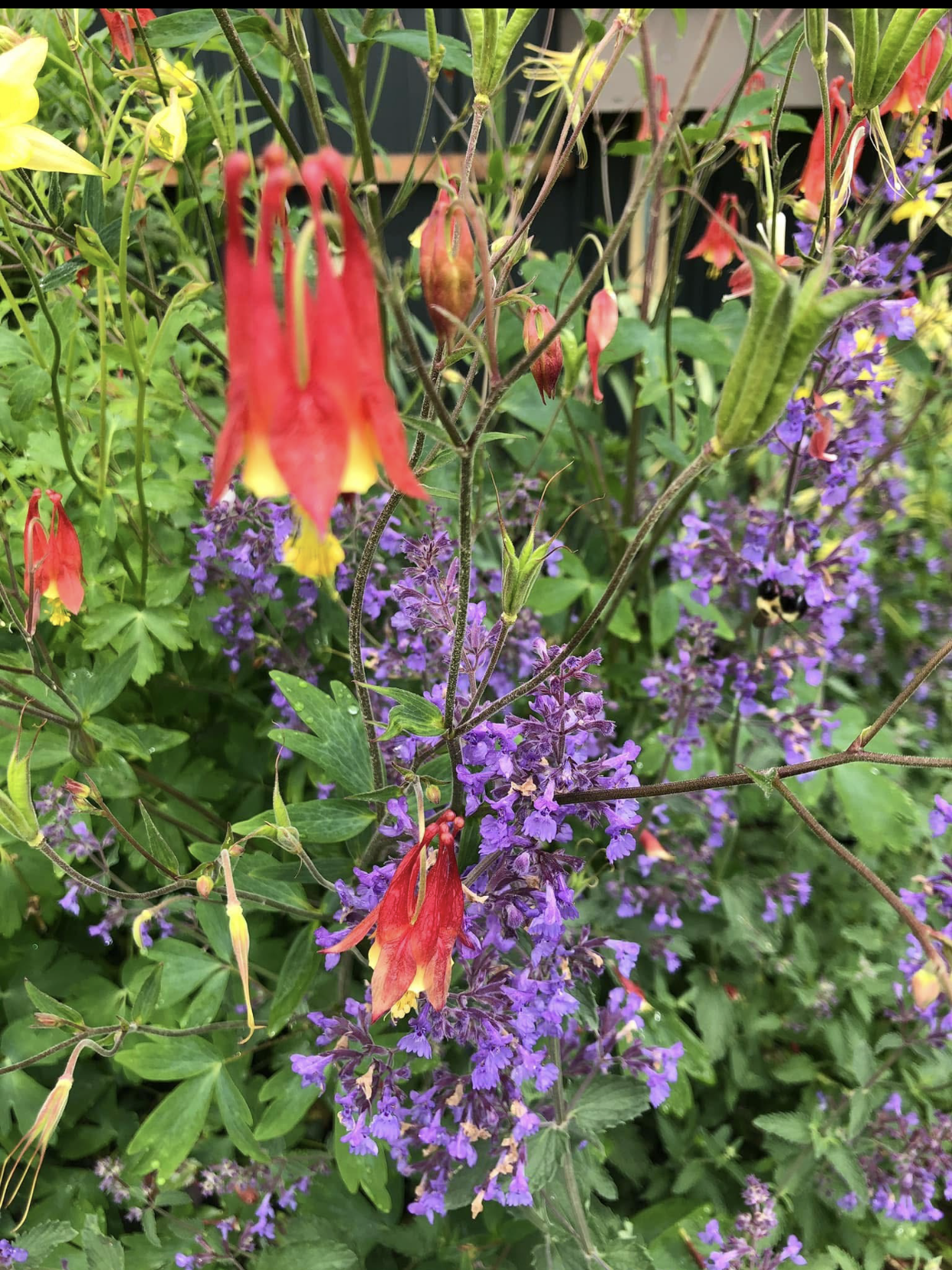 Image 2 of 7
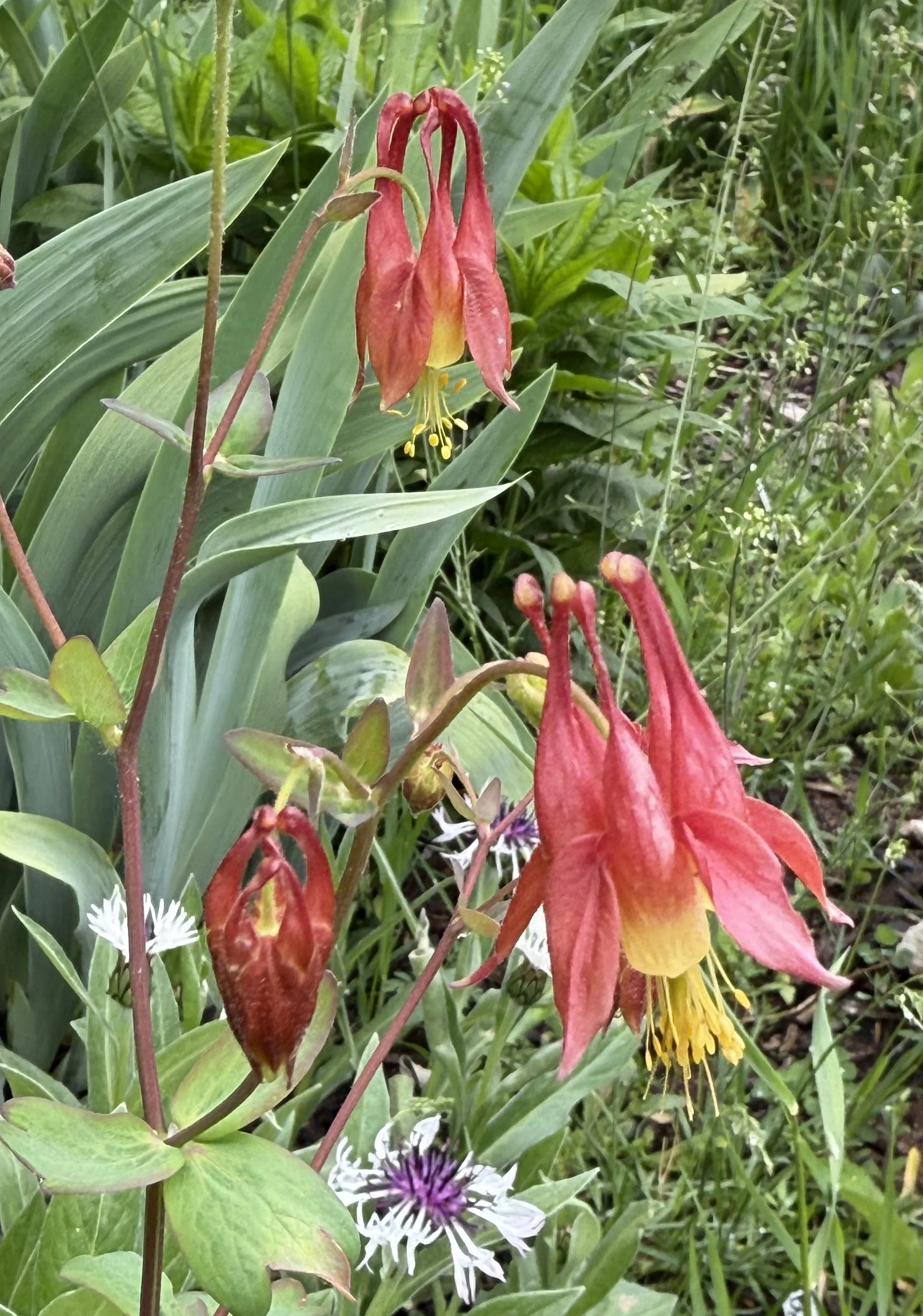 Image 3 of 7
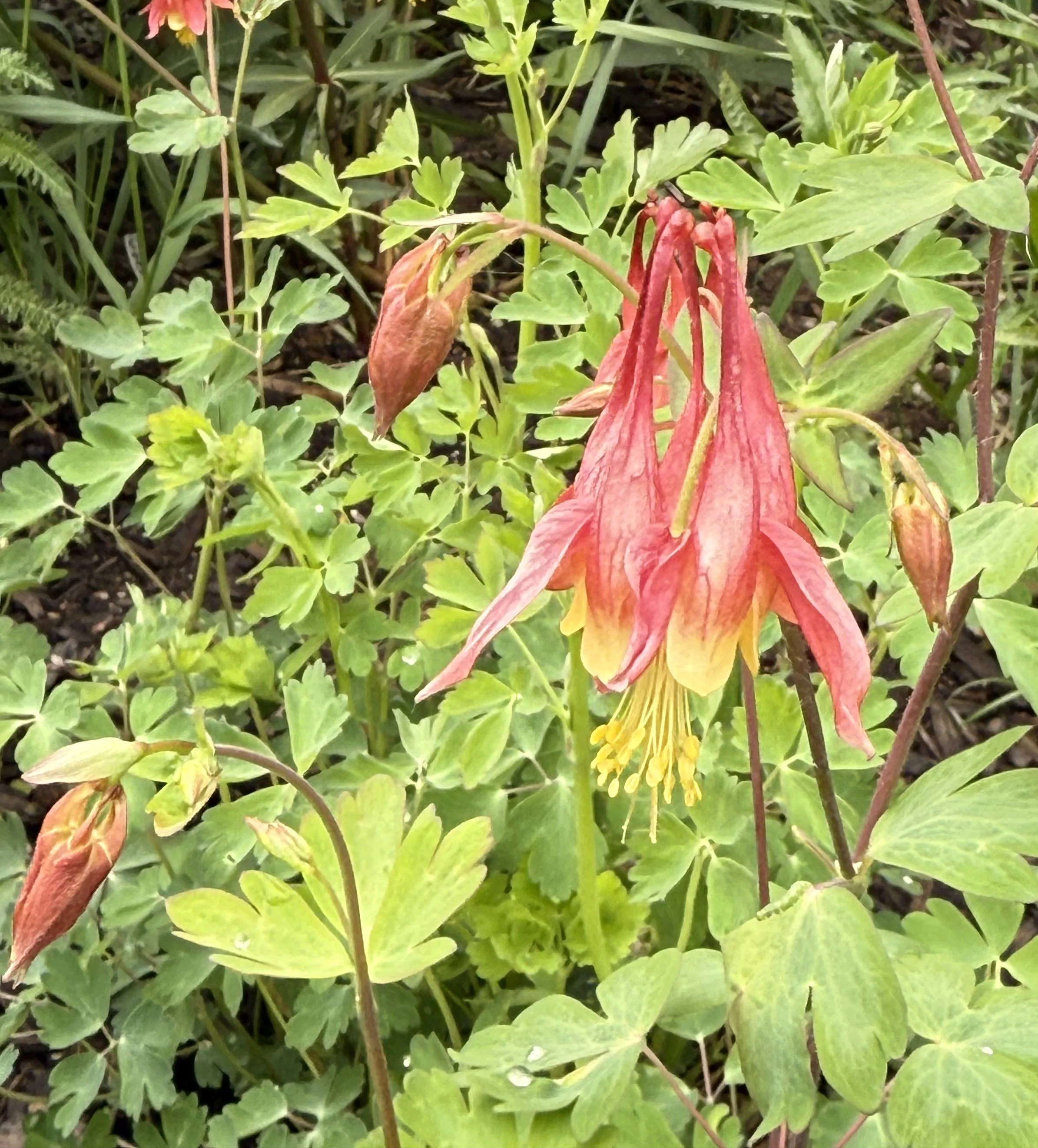 Image 4 of 7
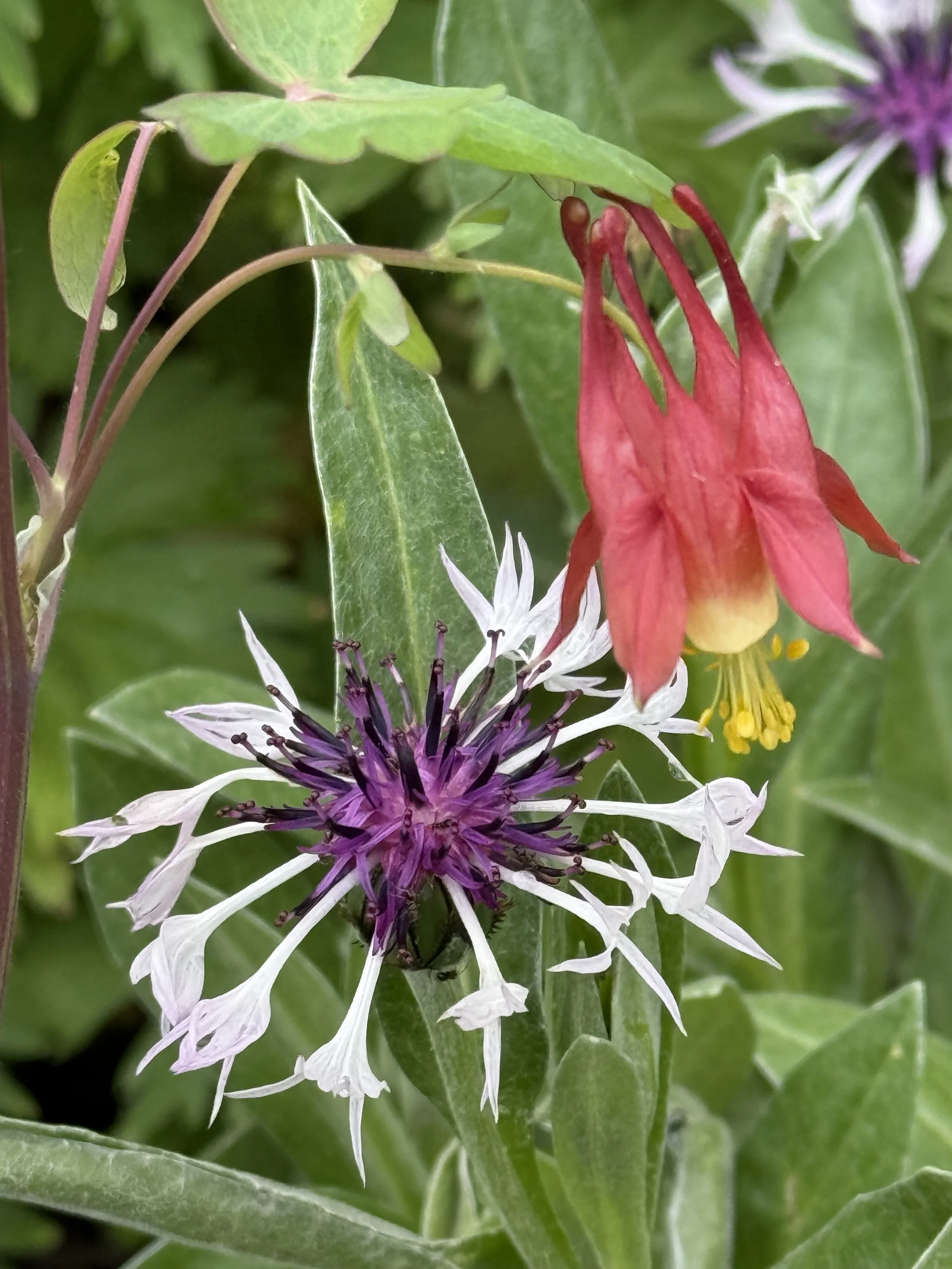 Image 5 of 7
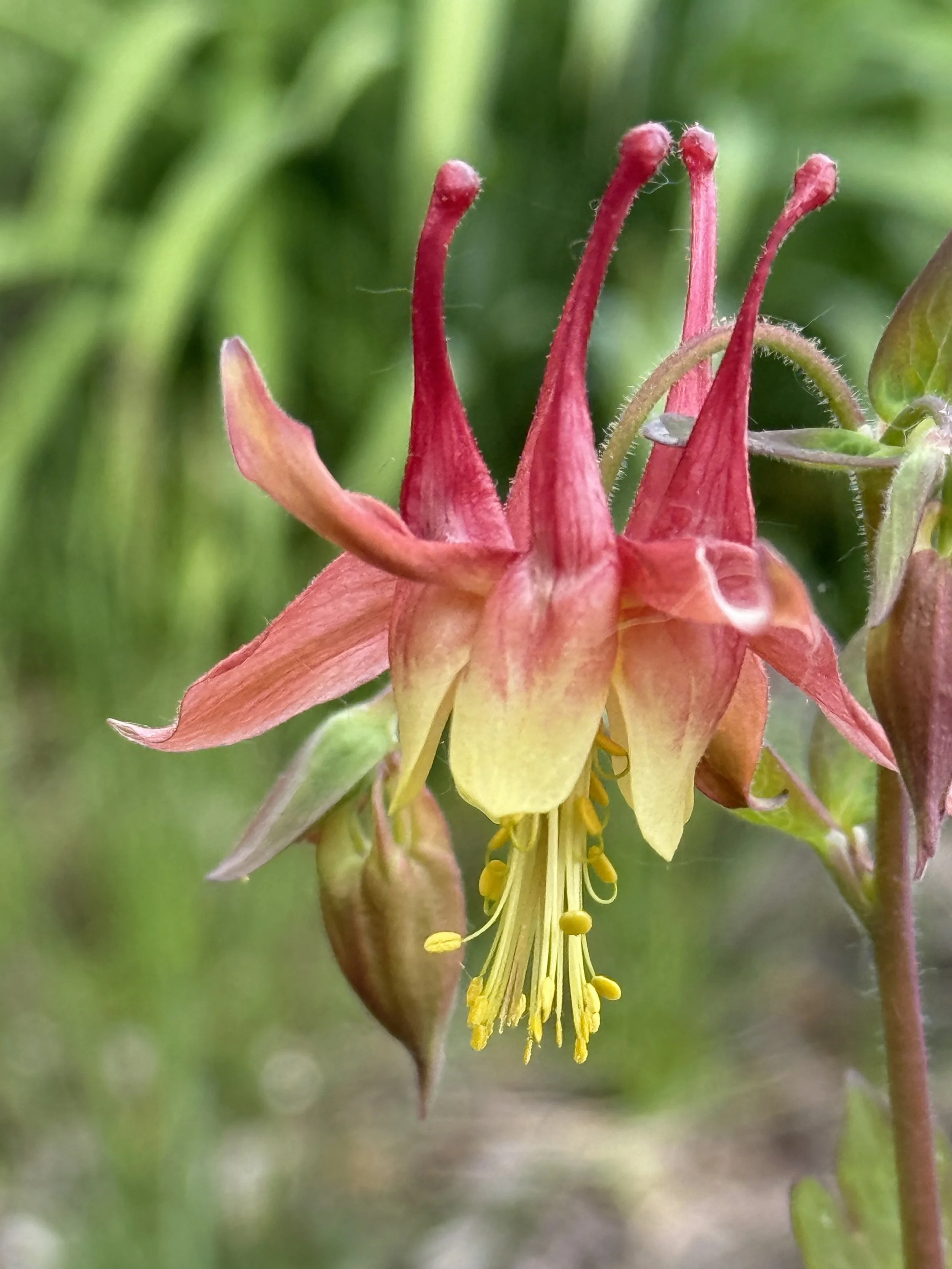 Image 6 of 7
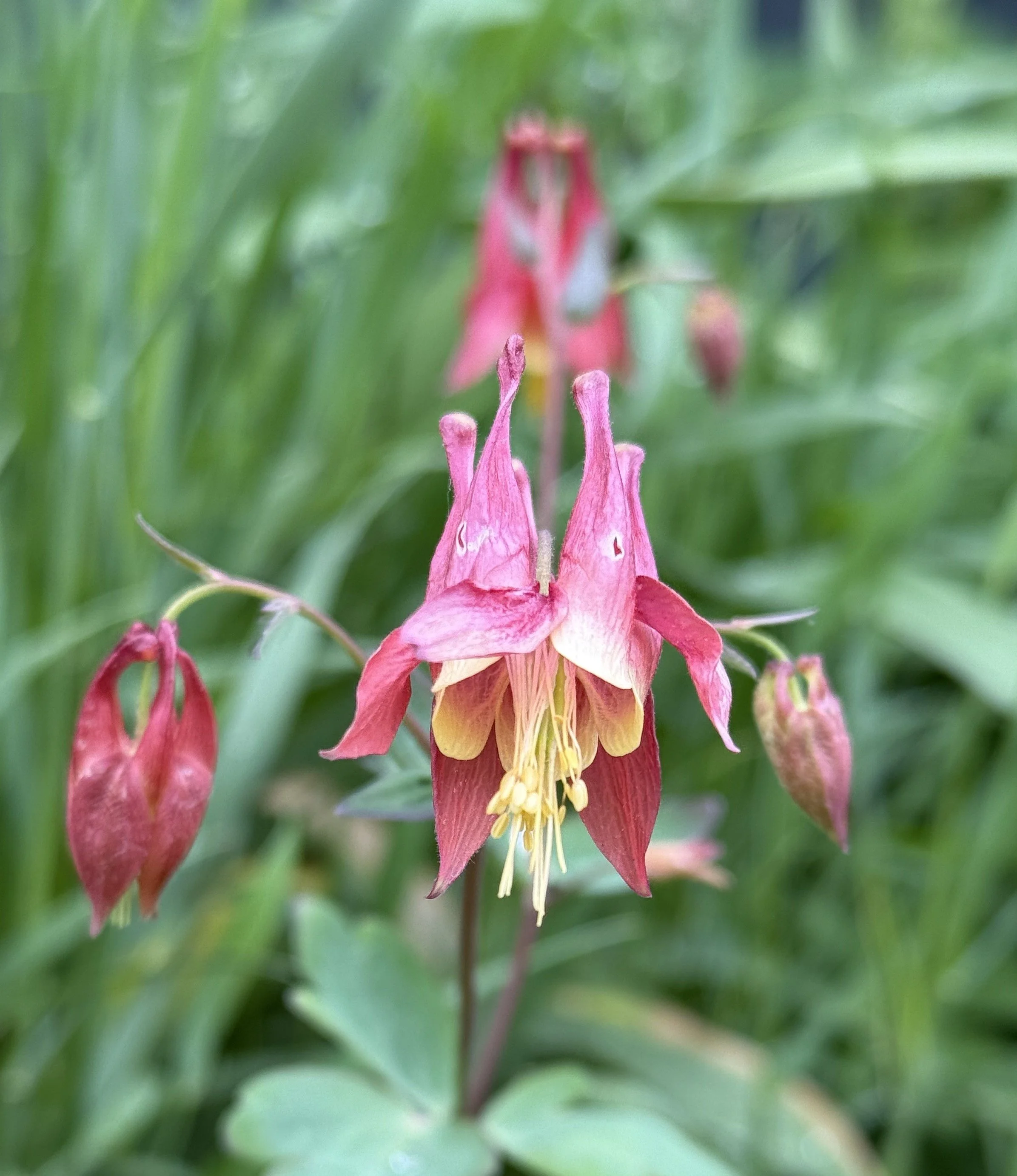 Image 7 of 7